These Rights prioritise the welfare and well-being of poultry livestock and serve as a good guidelines for a successful poultry keeping business if well followed and respected by farmers.
The Foundation of Poultry Welfare
Understanding and implementing fundamental poultry rights is essential for both ethical farming practices and business success. These rights ensure that birds live healthy, comfortable lives while maximizing farm productivity and profitability.
The Five Fundamental Freedoms
These internationally recognized freedoms form the cornerstone of poultry welfare and successful farming operations:
The Five Fundamental Freedoms
- FREEDOM from hunger, thirst, and malnutrition
- FREEDOM from Physical discomfort (e.g., too cold, too hot, too little space)
- FREEDOM from Pain, Injury, and Diseases (Provide access to veterinary care)
- FREEDOM to express Natural behaviours (e.g., preening, eating, drinking, panting)
- FREEDOM from Fear and distress (e.g., Loud noise, theft, predators and prey)
RIGHT to Proper Shelter
Poultry birds have the fundamental right to proper shelter that provides:
- Protection from weather: Adequate roofing and walls to shield from rain, wind, and extreme temperatures
- Clean environment: Regular cleaning and maintenance to prevent disease and ensure comfort
- Adequate ventilation: Proper air circulation to maintain fresh air and prevent respiratory issues
- Appropriate lighting: Natural or artificial lighting that supports natural behavior patterns
Nutrition and Feeding Rights
Ensuring freedom from hunger and malnutrition requires:
- Balanced nutrition: Feed that meets all dietary requirements for different growth stages
- Clean water: Fresh, clean water available at all times
- Proper feeding schedules: Regular feeding times that support natural eating patterns
- Feed quality: High-quality feed free from contaminants and properly stored
Health and Medical Care
Freedom from pain, injury, and disease is achieved through:
- Regular health monitoring: Daily observation of bird behavior and condition
- Veterinary care: Access to professional veterinary services when needed
- Vaccination programs: Proper immunization against common diseases
- Biosecurity measures: Protocols to prevent disease introduction and spread
- Prompt treatment: Immediate attention to sick or injured birds
Natural Behavior Expression
Allowing birds to express natural behaviors includes:
- Preening: Grooming and feather maintenance activities
- Foraging: Natural feeding and searching behaviors
- Social interaction: Communication and flock dynamics
- Dust bathing: Natural cleaning and parasite control
- Perching: Elevated resting and observation areas
Environmental Comfort and Safety
Freedom from physical discomfort and fear requires:
- Temperature control: Maintaining optimal temperature ranges for different bird ages
- Adequate space: Sufficient room for movement, feeding, and resting
- Noise management: Minimizing loud noises and sudden disturbances
- Predator protection: Secure housing to prevent predator attacks
- Stress reduction: Calm, stable environment that promotes well-being
Implementation Guidelines
To successfully implement these rights:
- Regular training for farm staff on welfare principles
- Daily monitoring and documentation of welfare indicators
- Continuous improvement based on new research and best practices
- Stakeholder engagement and transparency in farming practices
- Regular audits and assessments of welfare standards
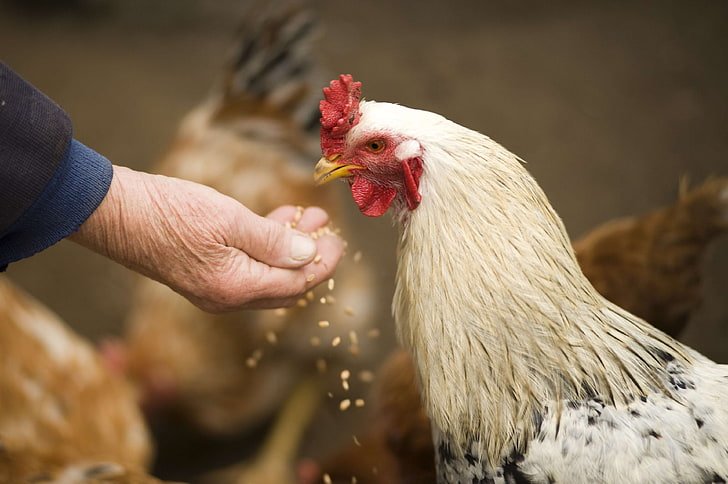
"Respecting fundamental poultry rights is not just about compliance—it's about creating a foundation for sustainable, profitable, and ethical farming that benefits both birds and farmers."
Business Benefits
Following these rights leads to:
- Improved bird health and reduced mortality rates
- Better feed conversion and growth performance
- Higher quality products and market access
- Enhanced farm reputation and consumer trust
- Compliance with international trade standards
Conclusion
Fundamental poultry rights are the cornerstone of successful, sustainable, and ethical poultry farming. By prioritizing these rights, farmers create an environment where birds can thrive, leading to better health, productivity, and profitability. The implementation of these guidelines requires commitment, education, and continuous improvement, but the benefits extend far beyond individual farms to the entire industry and society.
As we advance in modern agriculture, let us remember that respecting poultry rights is essential for building a better future for both birds and humans in the agricultural ecosystem.